The Cause of Roof Water Overflow during Rain (And the Solution of Gutters)


India’s urban landscape is undergoing a transformative shift in how cities and homeowners approach water management. With rapid urbanization, intensifying monsoon patterns driven by climate change, and critical water scarcity challenges, sustainable drainage systems have evolved from optional upgrades to essential infrastructure.
The latest trends reflect a fundamental reimagining of drainage – from simply moving water away to capturing, filtering, and conserving it for future use. Here are the key trends shaping sustainable home drainage systems across urban India in 2025.
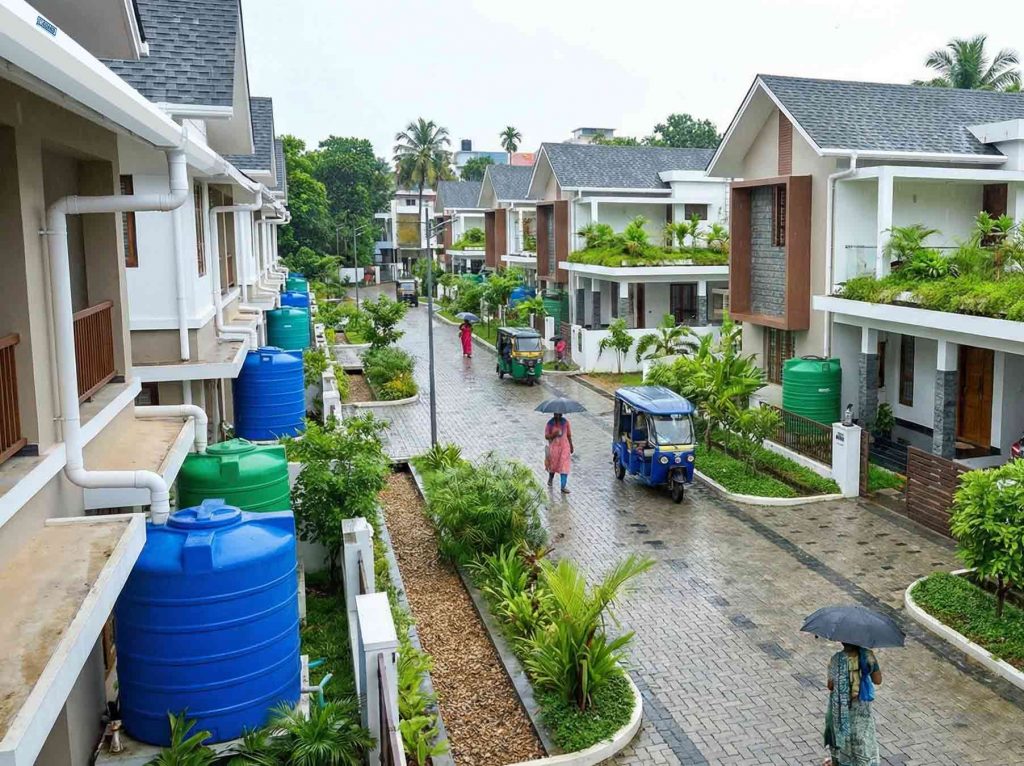
India’s cities are increasingly adopting nature-based solutions (NbS) that work with natural hydrological processes rather than against them. Green infrastructure – including bioswales, rain gardens, and permeable pavements – filters and absorbs stormwater while enhancing urban biodiversity and reducing flood risks.
This decentralized approach empowers neighborhoods to manage water locally, reducing dependence on overburdened municipal drainage systems.
For homeowners, this means designing gutters and downspouts that direct water into rain gardens or bioswales rather than directly to storm drains, supporting neighborhood-wide water management.
The shift from centralized municipal systems to decentralized, community-driven water management represents a major trend in urban India. Cities like Delhi, with its new ₹57,000 crore drainage masterplan, are implementing smart monitoring systems with IoT sensors that detect blockages and flooding risks before they escalate.
This decentralized model enables individual homes and neighborhoods to contribute to larger urban water security goals.
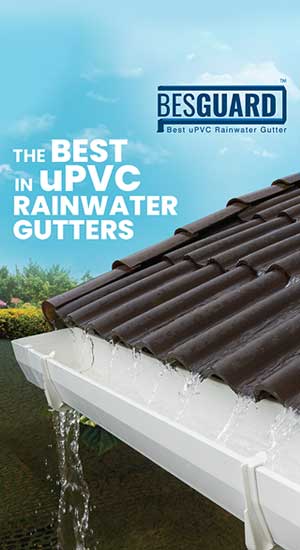
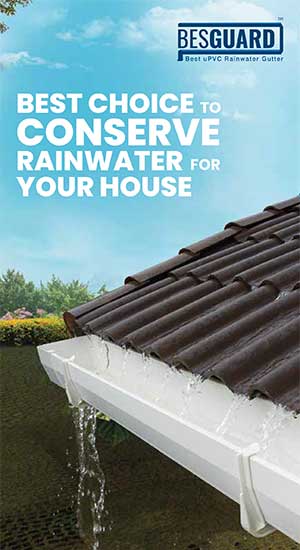
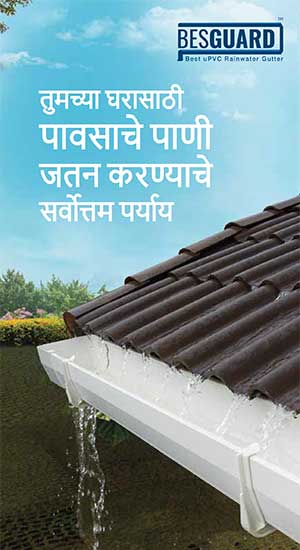
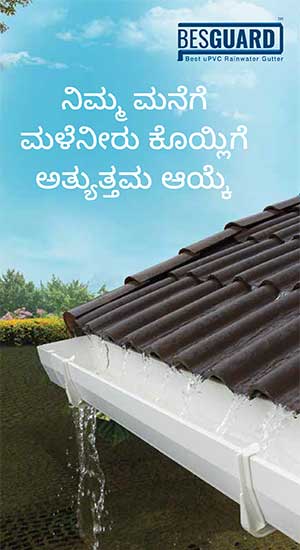
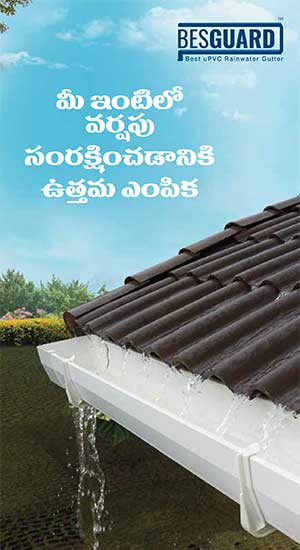
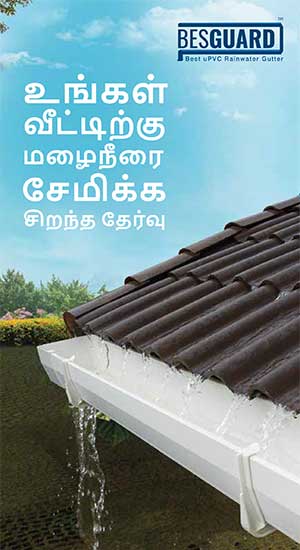
Besguard’s uPVC gutters support this trend by providing reliable, efficient water collection that integrates seamlessly with community-level rainwater harvesting and recharge initiatives.
Water scarcity remains a pressing challenge across urban India. Leading cities like Bengaluru are implementing the “Million Recharge Wells” initiative – a system that captures stormwater through gutters and directs it into underground recharge wells to replenish depleted aquifers.
This approach simultaneously addresses flooding (by reducing surface runoff) and water scarcity (by recharging groundwater).
Besguard gutters facilitate this integration by providing clean, efficient water capture suitable for harvesting systems. Studies indicate that properly designed rainwater harvesting systems can reduce urban flooding by 30% while increasing groundwater availability.
Smart drainage systems represent the technological frontier in sustainable water management. Advanced sensors monitor water flow, detect debris buildup, identify leaks in real time, and send alerts to homeowners’ smartphones.
Some systems use actuators to dynamically adjust drainage to optimize flow during extreme rainfall events, preventing overflow while maximizing water capture efficiency.
Delhi’s new drainage masterplan incorporates smart sensors feeding data into central control hubs, enabling authorities to anticipate problems and optimize system performance citywide. Homeowners can now track their gutter health remotely and schedule maintenance proactively rather than reactively.
Cities are transforming neglected stormwater drains into vibrant public spaces through green infrastructure projects. Bengaluru’s K-100 project illustrates this trend – converting drainage channels into recreational walkways while maintaining water management functionality.
This multi-functional approach enhances urban aesthetics while delivering drainage and water conservation benefits.
Homeowners participating in this trend install gutter systems that direct water toward green spaces, supporting both drainage efficiency and neighborhood greening.
Progressive cities now view stormwater as a valuable resource rather than waste. This circular economy perspective integrates stormwater management with water reuse, treatment, and resource recovery.
Instead of rapidly funneling water away (which increases urban flooding and pollution), sustainable systems capture, filter, and reuse water for irrigation, toilet flushing, and groundwater recharge.
Besguard’s seamless integration with rainwater harvesting systems supports this circular approach, ensuring captured water is clean and suitable for multiple end-uses.
With increasing rainfall intensity and frequency, cities are redesigning drainage capacity. Delhi’s new masterplan nearly triples drainage capacity from 25mm/hr to 70mm/hr of rainfall – acknowledging that historical rainfall data no longer predicts current climate patterns.
Urban India is implementing science-based hydraulic modeling to size drainage systems for anticipated climate impacts rather than historical averages.
Besguard’s engineered gutter systems come in two sizes (165mm and 225mm) designed for Kerala’s intense monsoon conditions and serve as models for climate-resilient residential drainage across India.
Advanced cities are implementing hybrid systems combining natural filtration with minimal energy requirements. Constructed wetland systems, organic filtration using natural materials, and innovative technologies like Siphonic Surface Drainage (which requires no electricity) represent this trend.
These systems address both stormwater quantity and quality, removing pollutants while enabling percolation and groundwater recharge.
Increasingly, Indian cities integrate sustainable drainage requirements into urban planning policies and green building certification systems. Government incentives, regulatory mandates, and public awareness campaigns are driving adoption.
Smart Cities Mission projects across 100+ Indian cities present opportunities to embed sustainable drainage practices at scale.
The overarching trend is moving from fragmented engineering solutions toward holistic, integrated water management that considers flooding, water scarcity, water quality, and urban livability simultaneously.
Cities are conducting detailed hydrogeological studies, mapping recharge zones, and designing systems that align with natural water cycles while supporting urban densification.
Sustainable home drainage systems are no longer niche initiatives – they’re the foundation of resilient urban living. Homeowners can participate by:
Urban India’s drainage revolution reflects a fundamental shift from viewing water as waste to recognizing it as a precious resource requiring intelligent, sustainable management. Whether through green infrastructure, smart technology, circular economy principles, or community participation, today’s trends position homes and cities to address climate resilience, water security, and urban livability simultaneously.
For homeowners selecting gutter systems today, choosing sustainable infrastructure like Besguard’s uPVC solutions ensures compatibility with these emerging trends while supporting India’s transition toward water-secure, climate-resilient urban futures.