
The arrival of the monsoon is a welcome sight in Kerala. After months of heat and humidity, the first rains bring cooler temperatures and relief. However, for homeowners, the monsoon also marks the beginning of one of the most challenging seasons for property maintenance.
Every year, countless homes suffer from leaks, damp walls, peeling paint, and structural damage caused by rainwater intrusion. Surprisingly, most of these issues don't occur because of extreme weather. They happen because small warning signs were overlooked before the rains began.
The good news is that many of these problems can be prevented with a simple pre-monsoon inspection. Before the heavy showers arrive, check your home for these seven danger signs that could indicate potential water damage.
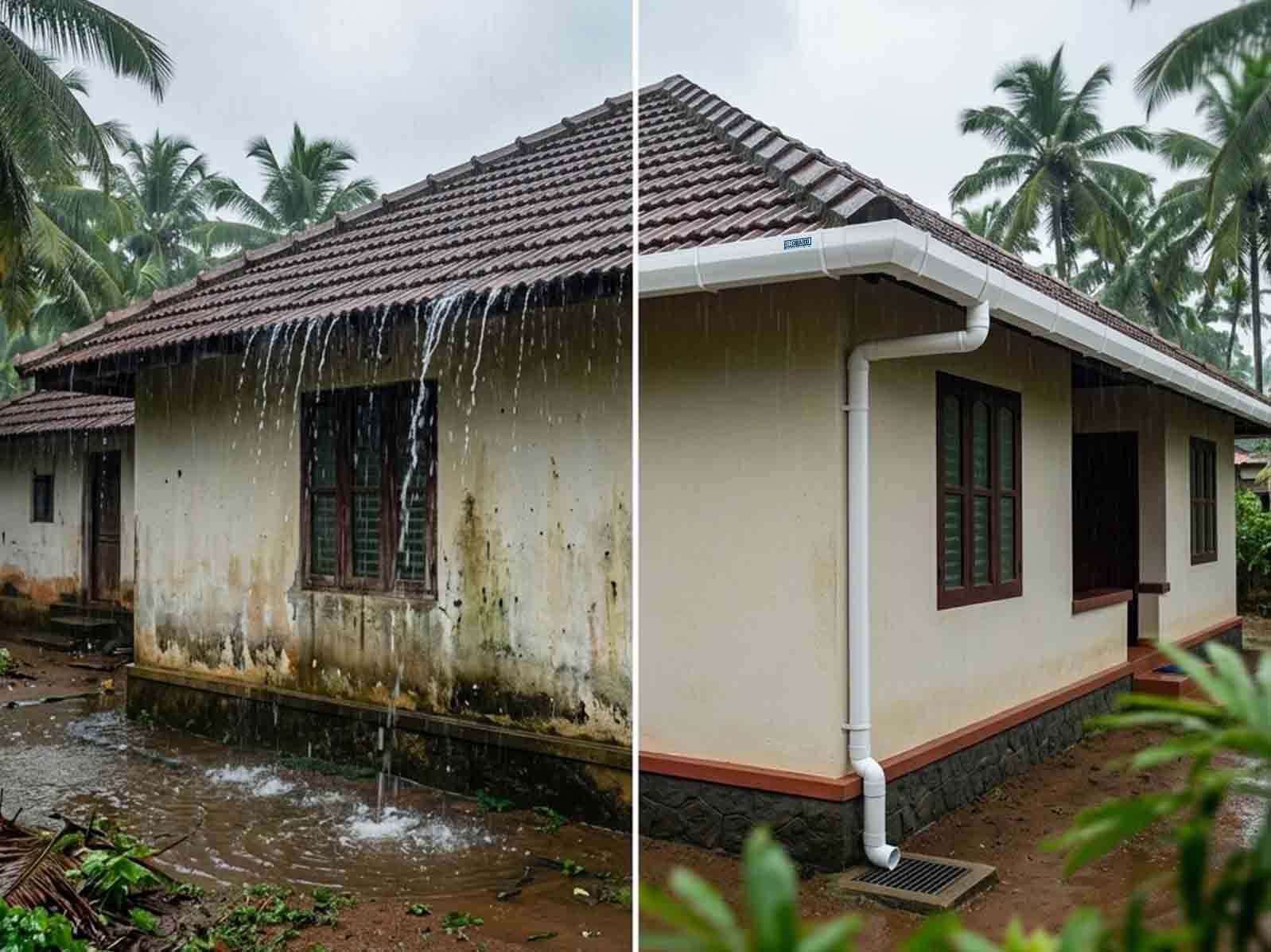
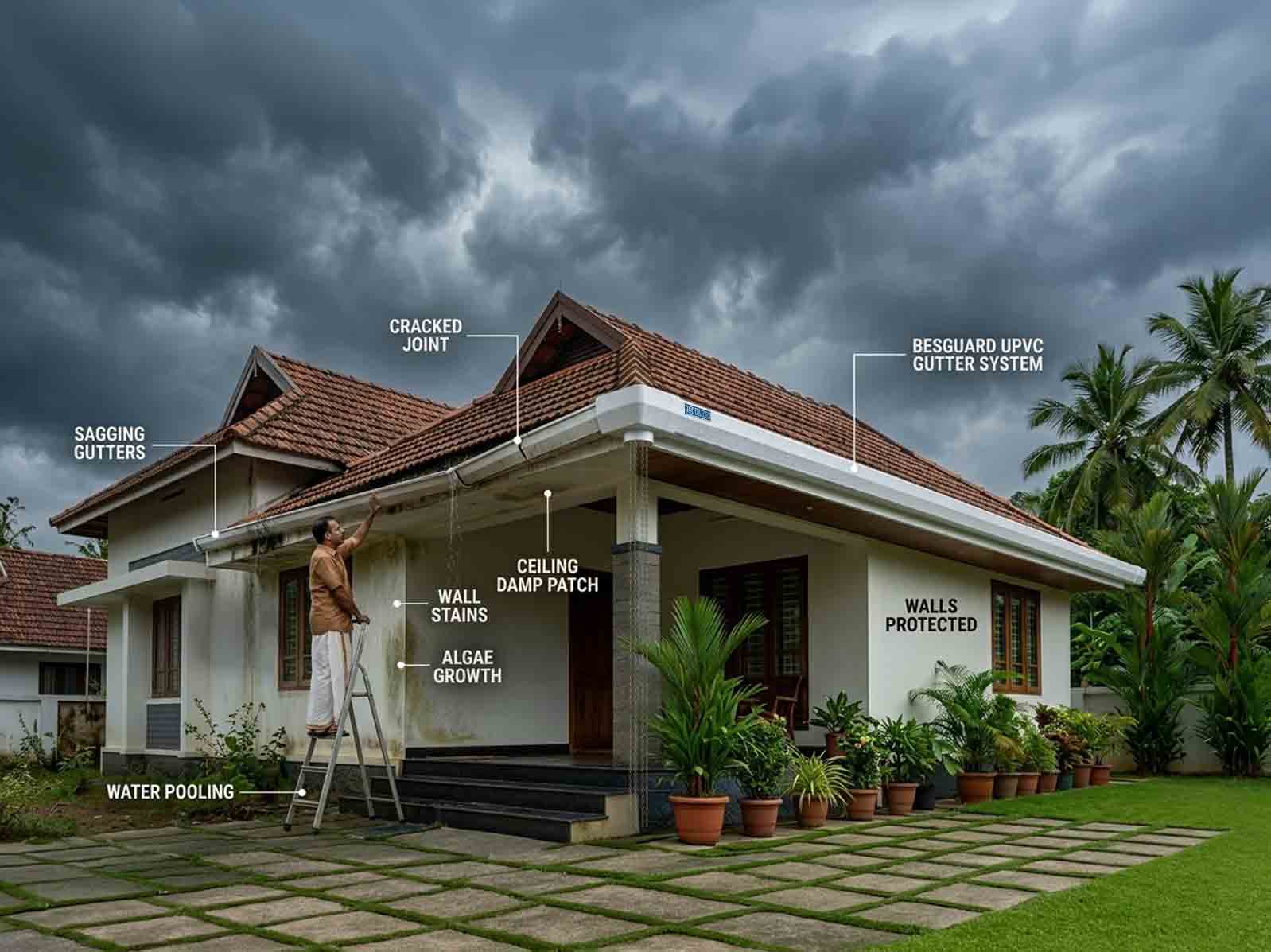
One of the earliest indicators of drainage problems is discoloration on exterior walls. Dark streaks, damp patches, peeling paint, or white salt deposits often signal that rainwater is not being properly directed away from the building. When gutters overflow or leak, water repeatedly runs down the walls, gradually damaging plaster, paint, and masonry. If these signs are already visible before the monsoon, the problem is likely to worsen significantly once heavy rainfall begins.
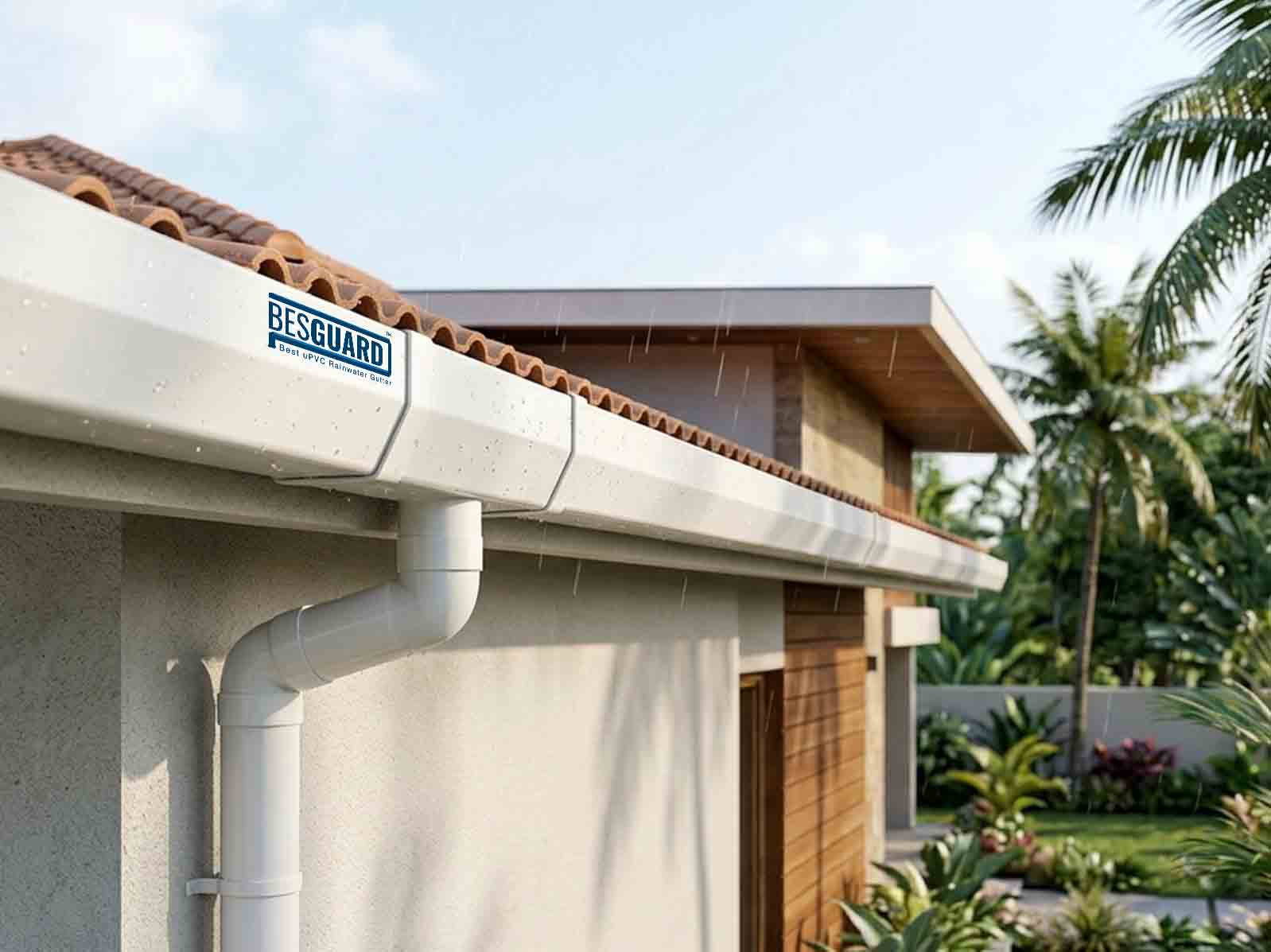
Your gutter system is designed to collect and channel rainwater safely away from the structure. If gutters appear bent, sagging, or detached from the roofline, they may not be able to handle the intense water flow of a Kerala monsoon. Sagging gutters often result from debris buildup, weak brackets, or poor-quality materials. These weak sections can quickly fail under the weight of heavy rainwater, causing overflow and water damage.
Small cracks and separated joints may not seem like a major concern during dry weather. However, once rainwater begins flowing through the system, these openings become leak points. Check all corners, connections, end caps, and downspout joints carefully. Even minor leaks can direct large amounts of water onto walls, windows, and foundations throughout the rainy season.
Have you noticed water spilling over the edge of your gutters during a normal rain shower? This is one of the clearest signs that your drainage system is not functioning properly. Overflow can occur because of blockages, insufficient gutter capacity, incorrect installation angles, or structural deformation. If your gutters cannot handle moderate rainfall, they are unlikely to perform effectively during intense monsoon downpours.
Persistent moisture creates the perfect environment for algae, moss, and mold growth. Green stains on exterior walls, moss near roof edges, and black mold patches around ceilings often indicate ongoing drainage issues. These problems not only affect your home's appearance but can also contribute to indoor air quality concerns and long-term structural deterioration.
Take a walk around your property after rainfall and observe where water collects. If water pools near exterior walls or foundation areas, your drainage system may not be directing runoff far enough away from the building. Over time, saturated soil can weaken foundation stability, increase hydrostatic pressure, and contribute to structural cracking. Proper rainwater management is essential to protect the most important part of your home the foundation.
Water damage often becomes visible indoors long after the problem begins outside.
Watch for signs such as:
Many homeowners assume these issues are caused by roofing failures, but overflowing gutters and poor drainage are often the hidden source.
Kerala experiences some of the heaviest rainfall in India, making effective rainwater management essential for every home.
A well-designed uPVC gutter system helps:
Modern high-capacity gutter systems are specifically designed to handle intense rainfall while maintaining smooth water flow even during heavy monsoon conditions.
Many expensive home repairs begin with small issues that go unnoticed. A loose gutter bracket, a blocked downspout, or a cracked joint may seem insignificant today, but during the monsoon, these minor problems can lead to major structural damage. Spending a few minutes inspecting your roofline and drainage system before the rains arrive can help you identify and fix issues before they become costly repairs.
Monsoon preparation isn't just about waterproofing roofs and sealing windows. It starts with ensuring your rainwater management system is ready to perform when it matters most. Before the first heavy shower arrives, inspect your home for these seven warning signs. Addressing problems early and investing in a durable, high-performance gutter system can protect your walls, foundation, and overall property value for years to come.
Don't wait until water starts dripping from the ceiling. A proactive inspection today can save you from expensive repairs tomorrow.